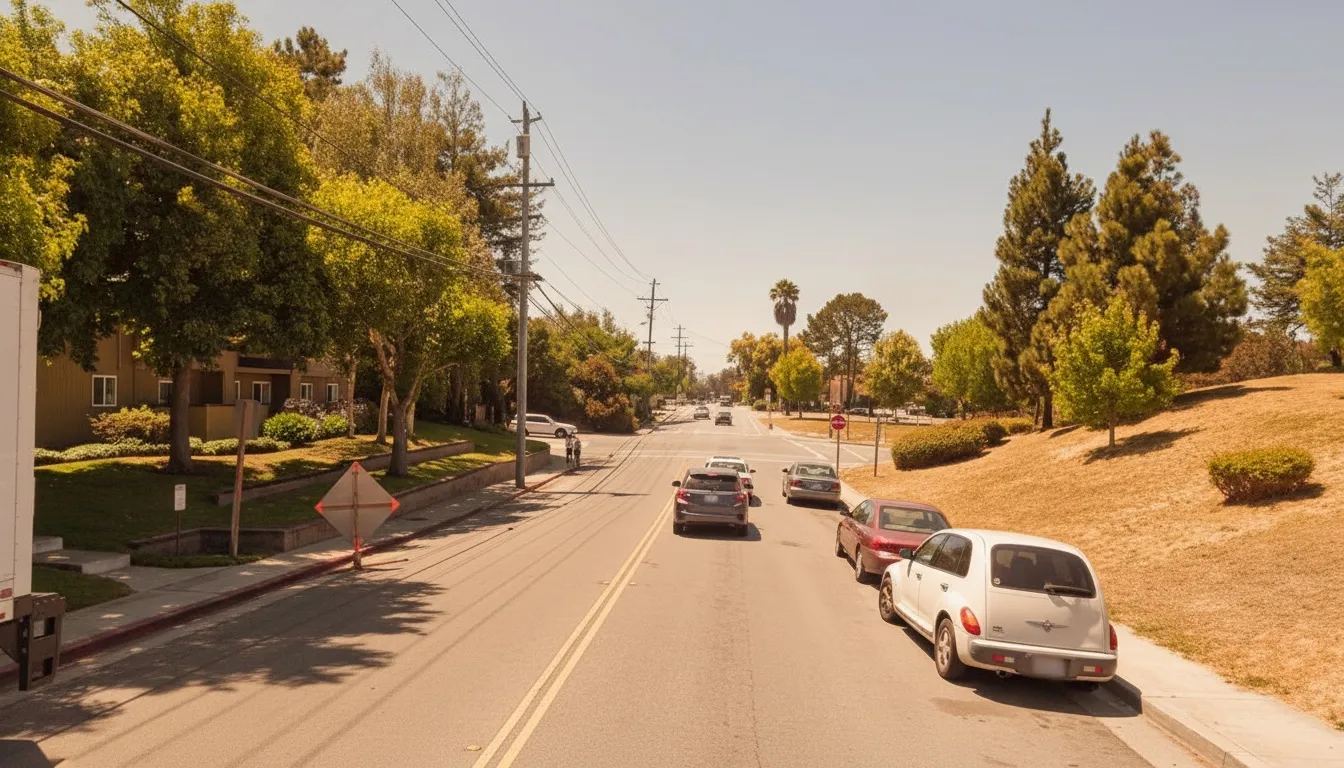
Live Oak is the outdoor neighborhood that works on a budget. It does not have the iconic surf breaks of Pleasure Point or the dramatic coastal trails of the Westside, but it sits between both and borrows generously from each. The neighborhood occupies a flat, central stretch of the Santa Cruz coastline between downtown and Capitola, with beach access at multiple points, bike path connections running in every direction, and a practical housing stock where older homes with garages and yards can actually accommodate the gear that an active life accumulates. For a surfer, cyclist, or runner who wants daily ocean access without paying the premium that Pleasure Point and the Westside command, Live Oak is the realistic entry point into the Santa Cruz outdoor lifestyle.
Surf Breaks
Twin Lakes State Beach is Live Oak’s home break. The beach stretches from the Santa Cruz Harbor jetty east toward Schwan Lagoon, producing sandy beach break peaks that shift with the season and the swell direction. On south and west swells, Twin Lakes delivers waist- to head-high waves that are fun, uncrowded, and forgiving. The sand bottom means no reef to worry about, making it a solid spot for intermediate surfers building confidence and for longboarders looking for relaxed sessions without the competitive energy of the point breaks to the south.
Schwan Lagoon, at the eastern end of Twin Lakes, occasionally opens to the ocean after heavy rains, creating a temporary sandbar setup that produces short but punchy waves. It is inconsistent, but locals watch for it.
The real surf advantage of Live Oak is proximity to Pleasure Point’s breaks without Pleasure Point’s price tag. East Cliff Drive, which runs along the coastline through Pleasure Point, is a five-minute bike ride or a quick drive from most homes in Live Oak. The Hook, the main Pleasure Point reef break, Sewer Peak, and the 38th Avenue beach breaks are all within easy reach. Many Live Oak surfers treat Pleasure Point as their daily lineup while sleeping in a neighborhood that costs significantly less. You paddle out alongside residents who paid $400,000 more for the convenience of walking to the break, but the waves do not know the difference.
Trails and Cycling
Live Oak’s flat terrain and central position make it one of the most bikeable neighborhoods in the county. The streets between 17th Avenue and 41st Avenue stay close to sea level, and bike paths connect to the coastal routes in both directions. East Cliff Drive runs south along the bluffs toward Pleasure Point and Capitola, offering a paved path with constant ocean views. Heading west, the path connects through the harbor area to the Wharf and West Cliff Drive, creating a continuous coastal cycling and running route that stretches from Natural Bridges to Capitola Village. A Live Oak resident on a bike can reach either end of this route in about 20 minutes.
The Yacht Harbor area, adjacent to Twin Lakes Beach, anchors a cluster of outdoor activity. The harbor itself draws kayakers and stand-up paddlers who launch from the protected waters inside the jetty. Simpkins Family Swim Center, on East Cliff Drive near the harbor, offers a public pool for lap swimming and water fitness year-round, serving as a training venue for surfers, triathletes, and swimmers who want structured pool time alongside their ocean sessions.
For trail running and mountain biking, Live Oak residents drive 10 to 15 minutes to reach the major trail networks. Forest of Nisene Marks is accessible via Aptos Creek Road to the south. Wilder Ranch and Pogonip are a similar distance to the northwest. DeLaveaga Park, nestled in the hills just north of Live Oak, offers a closer option with disc golf, hiking trails, and short but steep singletrack loops through oak woodland. The trails at DeLaveaga are not extensive enough for a full day of riding, but they serve well for a quick after-work run or an hour of mountain biking without a long drive.
Gear-Friendly Living
Live Oak’s housing stock is built for practicality over polish, and that works in favor of outdoor enthusiasts. The neighborhood is predominantly single-family ranch homes from the 1950s through 1970s, with single-car or two-car garages, yards, and carports. Many of these homes have been updated inside but retain their original exterior footprints, including the kind of garage and side-yard space that absorbs surfboards, bikes, wetsuits, and paddleboards without requiring a dedicated outbuilding.
The older homes tend to have larger yards than newer construction anywhere in the county, and the lots are wide enough for outdoor storage that does not feel cramped. A typical Live Oak garage holds two to three boards on wall racks, a couple of bikes, and a wetsuit drying setup with room to spare. Some homeowners have converted garages into workshops or gear rooms, a common and accepted practice in the neighborhood. The culture is relaxed about outward appearances. A rack of boards leaning against the side of the house, bikes on the front porch, and a kayak on sawhorses in the driveway are standard sights on most blocks.
At a median home price of $1.15 million, Live Oak offers the most affordable coastal living in Santa Cruz County for buyers who need space for gear and proximity to the ocean. You are not paying for the surf cachet of Pleasure Point or the trail access of Aptos. You are paying for a functional base camp with good connections to everything the county offers, and enough garage space to store the equipment that makes the outdoor life here possible.
Frequently Asked Questions
- How does Live Oak compare to Pleasure Point for surfers?
- Live Oak borders Pleasure Point and shares access to East Cliff Drive and several of the same breaks. The difference is price and proximity. Pleasure Point homes sit directly above the reef breaks, often within a five-minute walk. Live Oak adds a short bike ride or a five- to ten-minute drive to reach the same waves. You give up the walk-to-the-surf convenience but save $300,000 to $400,000 at the median.
- Is Live Oak flat enough for bike commuting?
- Yes. Live Oak is one of the flattest neighborhoods in Santa Cruz County. The terrain between 17th Avenue and 41st Avenue stays close to sea level, making bike commuting practical for everyday errands, reaching the beach, and connecting to the coastal bike paths along East Cliff Drive. Most residents ride cruisers or commuter bikes rather than road bikes for daily trips.