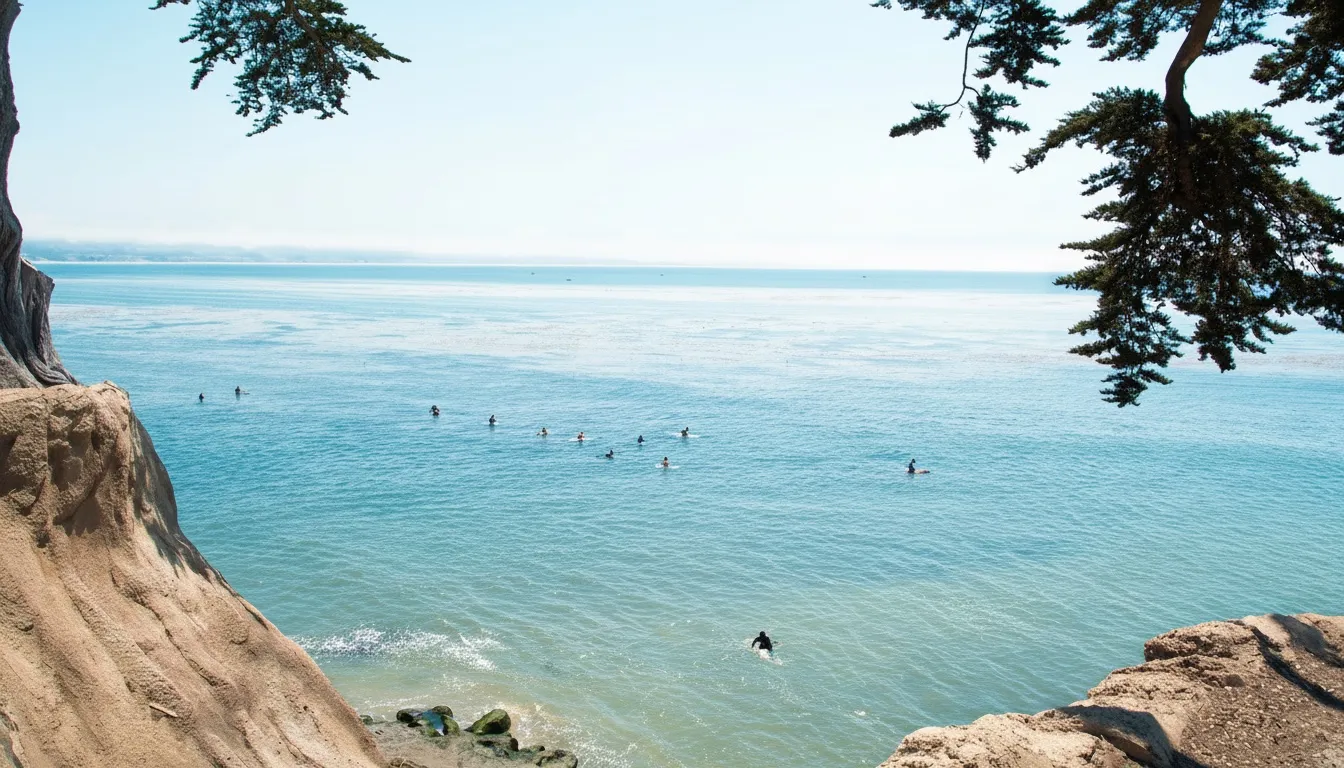
Retirement in Pleasure Point
Pleasure Point offers retirees something that most neighborhoods cannot: daily access to one of the most beautiful coastal walks in Central California without leaving the neighborhood. East Cliff Drive runs along the bluffs above the surf breaks, and the paved path that follows it is a gathering place for walkers, bench sitters, and people who simply want to watch the ocean. The pace of life here is genuinely slow. Mornings revolve around coffee, the sound of waves, and neighbors chatting along the cliff path. There is no commercial bustle, no through traffic to speak of, and no reason to hurry anywhere.
The community character is laid-back and established. Many Pleasure Point residents have lived here for decades, and the neighborhood has the feel of a small beach town within a larger city. The surf culture is visible but not exclusive, and retirees are a natural part of the mix. Local gathering spots include a handful of cafes and the Pleasure Point pub, which serve as informal community centers. The climate benefits from direct coastal exposure, with cool ocean breezes moderating summer heat and keeping winters mild. Fog is common in the mornings but typically clears by midday, leaving bright afternoons along the cliffs.
Healthcare & Services
Pleasure Point is residential, so healthcare facilities require a short drive. Dominican Hospital is roughly 15 minutes north via Soquel Drive or Highway 1. The 41st Avenue commercial corridor, about five minutes inland, provides the nearest concentration of medical offices, including primary care, dental practices, urgent care, and pharmacies. CVS and Walgreens are both accessible along 41st Avenue and Soquel Drive.
Senior services are available through countywide programs, and the Santa Cruz Metro bus service connects Pleasure Point to the broader system, though routes in this area run less frequently than along the main corridors. The neighborhood’s residential character means that most medical and service needs involve a short drive rather than a walk. Retirees with ongoing healthcare needs should factor in the five-to-ten-minute drive to 41st Avenue for routine appointments and prescription fills. That said, the distance is modest, and the trade-off for daily blufftop living is one most Pleasure Point retirees consider well worth it.
Walkability & Getting Around
The coastal portion of Pleasure Point is flat and well suited for walking. East Cliff Drive and its parallel path provide a level, paved route that stretches from the Hook surf break to the Santa Cruz Harbor, covering roughly two miles of scenic coastline. For retirees who prioritize daily walking, this path is a significant quality-of-life feature. The Walk Score for Pleasure Point typically ranges from 30 to 45, reflecting the limited commercial presence in the neighborhood itself.
Errands require either a car or a bus ride to 41st Avenue or Soquel Avenue. The Santa Cruz Metro provides service, but headways are longer in Pleasure Point than in more central neighborhoods. Cycling is practical on the flat coastal streets, and some retirees use e-bikes to extend their range to nearby shopping. The residential streets are quiet with low traffic speeds, making walking around the neighborhood comfortable even where sidewalks are intermittent. Inland portions of Pleasure Point introduce some hills, so retirees with mobility concerns should target homes on the ocean side of Portola Drive where the terrain stays flat.
Housing Options
Pleasure Point’s median home price of approximately $1.55 million reflects the coastal premium. The housing stock is a mix of older beach cottages, 1960s ranch homes, and some newer construction. Single-story homes are available, particularly on the flatter streets closer to the coast, and these represent the most practical option for retirees looking to age in place with ocean proximity.
Condo options in Pleasure Point are limited compared to Capitola or downtown. The neighborhood is predominantly single-family residential, which means buyers should expect yard maintenance responsibilities. Lot sizes tend to be compact by suburban standards, which keeps the maintenance workload manageable. There is no 55-plus community in Pleasure Point. Retirees who choose this neighborhood are typically drawn by the coastal lifestyle and are willing to manage a home in exchange for the daily experience of living on the bluffs. For those who want low-maintenance living with Pleasure Point’s atmosphere, purchasing a smaller cottage or hiring a property management service for exterior upkeep is the common approach.
Frequently Asked Questions
- Is Pleasure Point too surf-oriented for retirees?
- Not at all. While Pleasure Point is known as a surf destination, the residential community includes many long-term homeowners and retirees who appreciate the coastal walks, laid-back atmosphere, and tight-knit neighborhood feel. You do not need to surf to enjoy living here. The East Cliff Drive coastal path is used as much by morning walkers as by surfers heading to the break.
- How accessible is Pleasure Point for retirees who don't drive?
- Pleasure Point is car-dependent for most errands, with groceries and medical offices requiring a short drive to the 41st Avenue corridor or Soquel Avenue. However, the coastal area itself is flat and walkable, and the neighborhood has a few cafes and the Pleasure Point pub within walking distance. Bus service is available but limited compared to more central neighborhoods.