Retirement in Downtown Santa Cruz
Downtown Santa Cruz offers something no other neighborhood in the county can match: a walkable urban core with genuine daily life. Pacific Avenue is the spine, lined with independent restaurants, bookshops, a movie theater, coffee roasters, and the kind of eclectic retail that makes errands feel like outings rather than chores. For retirees who thrive on cultural stimulation and human interaction, this is the neighborhood that delivers. The Civic Auditorium hosts concerts and events, the Del Mar Theatre screens independent films, and the Museum of Art and History anchors a small but active arts scene. Retirement here is anything but quiet.
That energy comes with trade-offs. Downtown Santa Cruz is louder, more crowded, and more unpredictable than the county’s suburban neighborhoods. Weekend foot traffic on Pacific Avenue is heavy, and the presence of UCSC students adds a youthful buzz that some retirees welcome and others find tiring. The homeless population is more visible downtown than in other neighborhoods, which is worth acknowledging honestly. Retirees who choose downtown tend to be the kind who prefer a stimulating environment over a serene one, and they accept the rough edges as part of the deal. The mild coastal climate means that outdoor life on Pacific Avenue is comfortable nearly year-round, with cool summers and gentle winters.
Healthcare & Services
Dominican Hospital is the closest major medical facility, located about five minutes east on Soquel Drive. The hospital provides emergency services, surgery, and a full range of inpatient and outpatient care. Downtown itself has medical and dental offices, particularly along the side streets near Pacific Avenue and along Front Street. Multiple pharmacies, including CVS and independent options, are within walking distance of most downtown residences.
The Santa Cruz Metro transit hub sits downtown, which is a genuine advantage for retirees managing medical appointments across the county. Bus routes fan out to Dominican Hospital, the Westside, Live Oak, and Capitola from the Metro Center on Pacific Avenue. Senior services administered by the county are accessible from downtown, and the proximity to city government offices makes administrative tasks like permit renewals and tax inquiries straightforward. The downtown branch of the Santa Cruz Public Library is one of the most active in the system, with regular programming that includes book groups, lectures, and technology workshops.
Walkability & Getting Around
Downtown Santa Cruz has the highest Walk Score in the county, typically ranging from 80 to 90. This is the one neighborhood where car-free retirement is genuinely feasible. Groceries, dining, banking, pharmacies, entertainment, and the beach are all within walking distance of most downtown residences. The terrain is flat throughout the core, with only gentle slopes as you move toward the Westside or up toward UCSC.
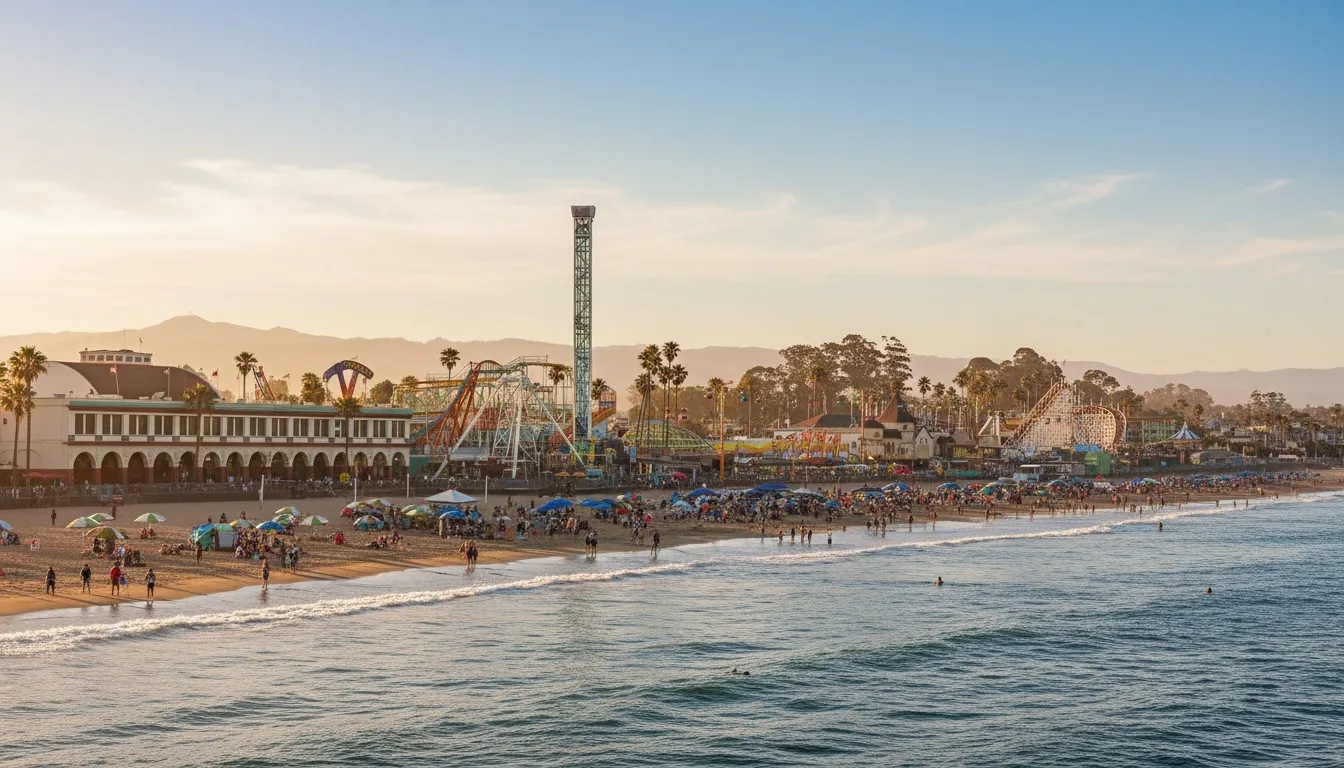
Sidewalks are well maintained along Pacific Avenue and the surrounding grid. The Santa Cruz Metro Center provides bus access to every major corridor in the county, making car-light living practical even for appointments outside the downtown area. The Wharf and the Boardwalk are accessible on foot, and the San Lorenzo River levee trail offers a flat, paved path for walking and cycling. For retirees who value independence but want to reduce driving, downtown is the strongest option in Santa Cruz County by a significant margin.
Housing Options
The median home price downtown is approximately $1.05 million, making it one of the more affordable neighborhoods in the county. The housing stock is diverse, including Victorians, bungalows, and small multifamily buildings. Condos and apartments are more available downtown than in the suburban neighborhoods, and many of these offer the low-maintenance living retirees prefer.
Single-story homes exist but are less common in the downtown grid, where older housing stock often includes stairs. Condo units in smaller buildings along the side streets off Pacific Avenue provide a practical alternative, with walkable access to everything and minimal upkeep responsibilities. There is no 55-plus community downtown, but the urban density and proximity to services create a natural retirement-friendly environment. Retirees considering downtown should focus on streets east of Pacific Avenue and south of Laurel Street, where the residential character is calmer while still keeping everything within a short walk. The lower price point relative to Aptos and the Westside makes downtown a viable option for retirees who want to invest in lifestyle rather than square footage.
Frequently Asked Questions
- Is downtown Santa Cruz too noisy for retirees?
- Pacific Avenue and the blocks immediately around it can be lively, especially on weekends and during UCSC's academic year. However, residential streets just two or three blocks off the main strip are noticeably quieter. Retirees who enjoy walkable urban energy tend to love it here, while those seeking deep quiet may prefer Aptos or Seacliff.
- Can retirees live car-free in downtown Santa Cruz?
- Downtown is the closest you can get to car-free living in Santa Cruz County. Pacific Avenue has groceries, pharmacies, restaurants, banks, and entertainment within walking distance. The Santa Cruz Metro hub is downtown, connecting to the rest of the county. It is the most realistic car-free or car-light option for retirees in the region.