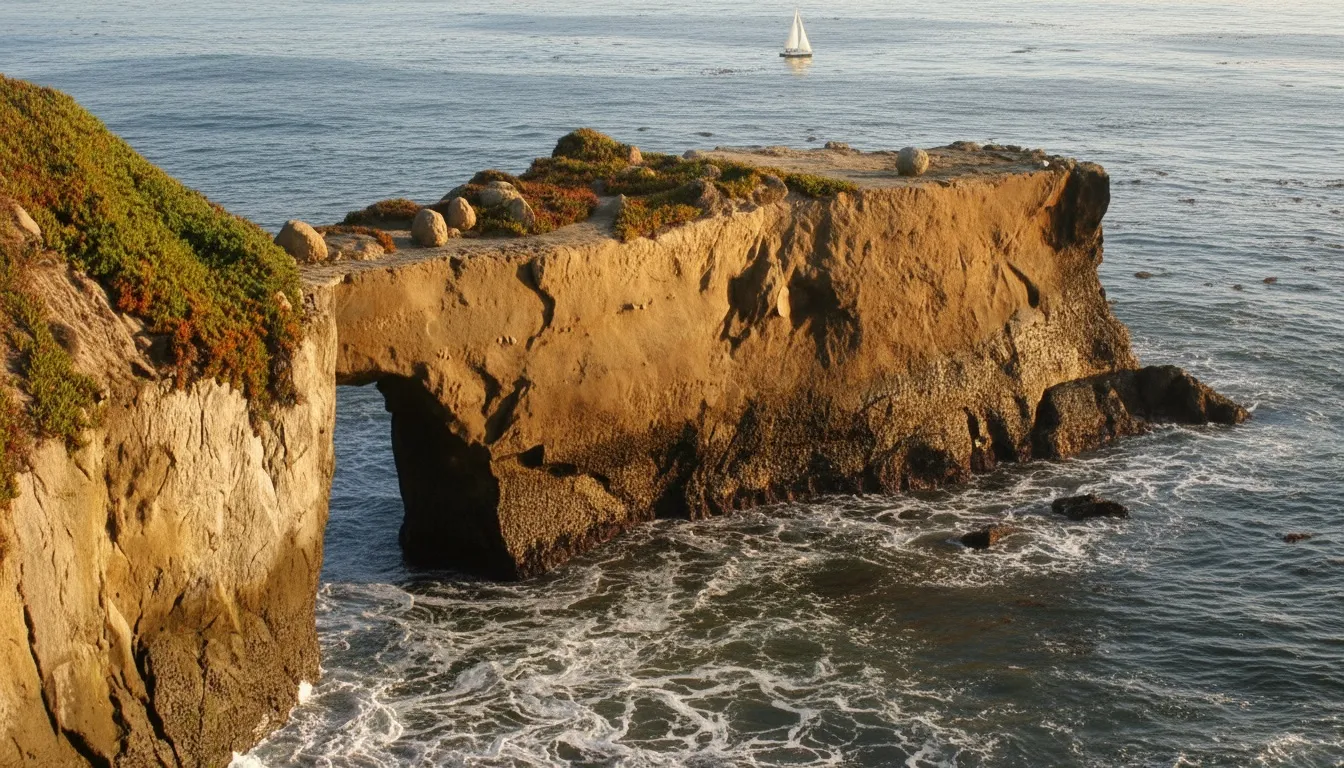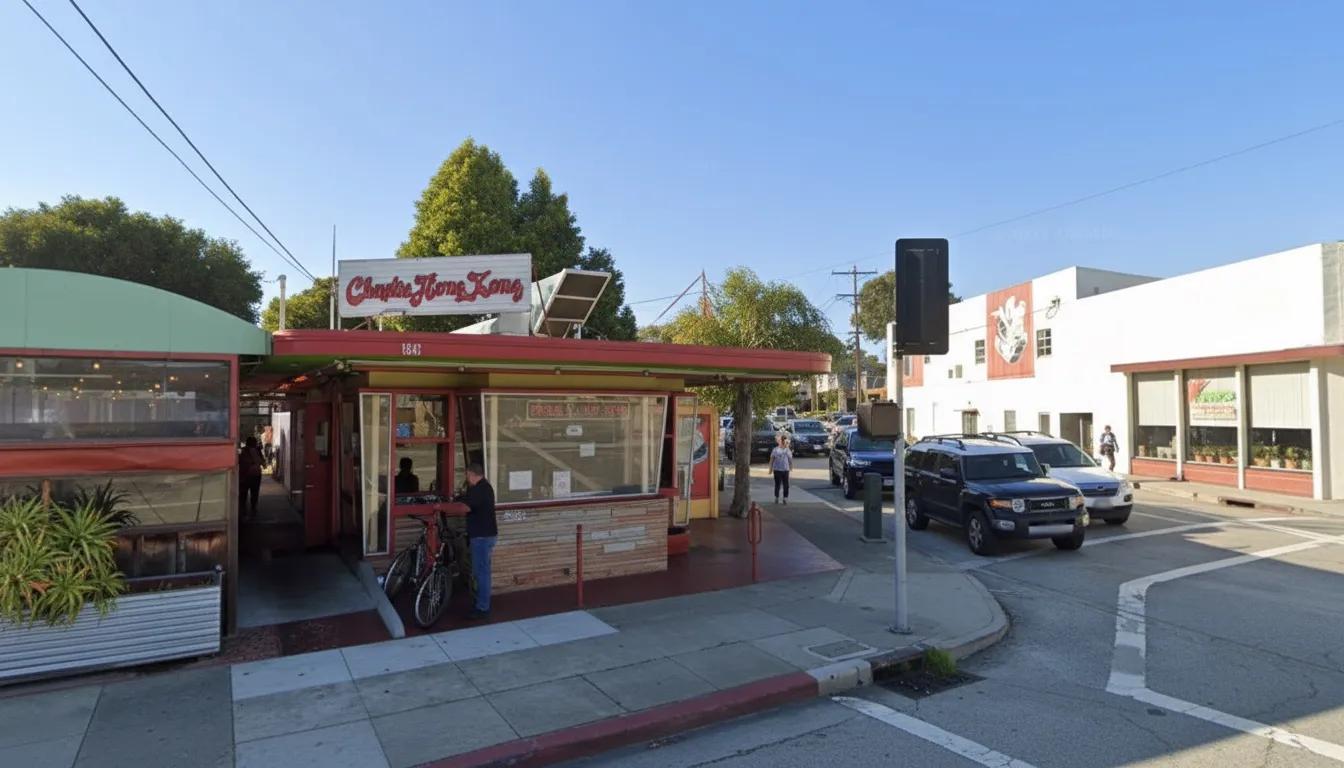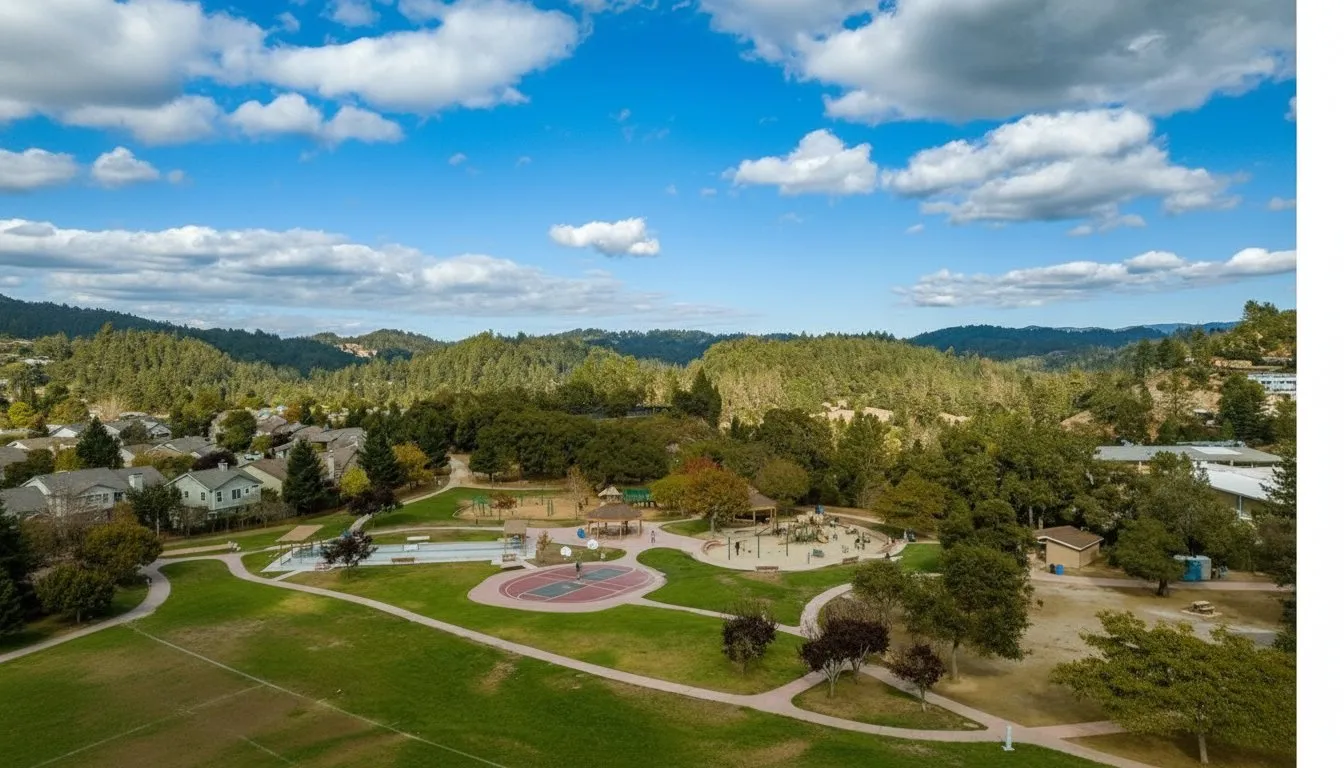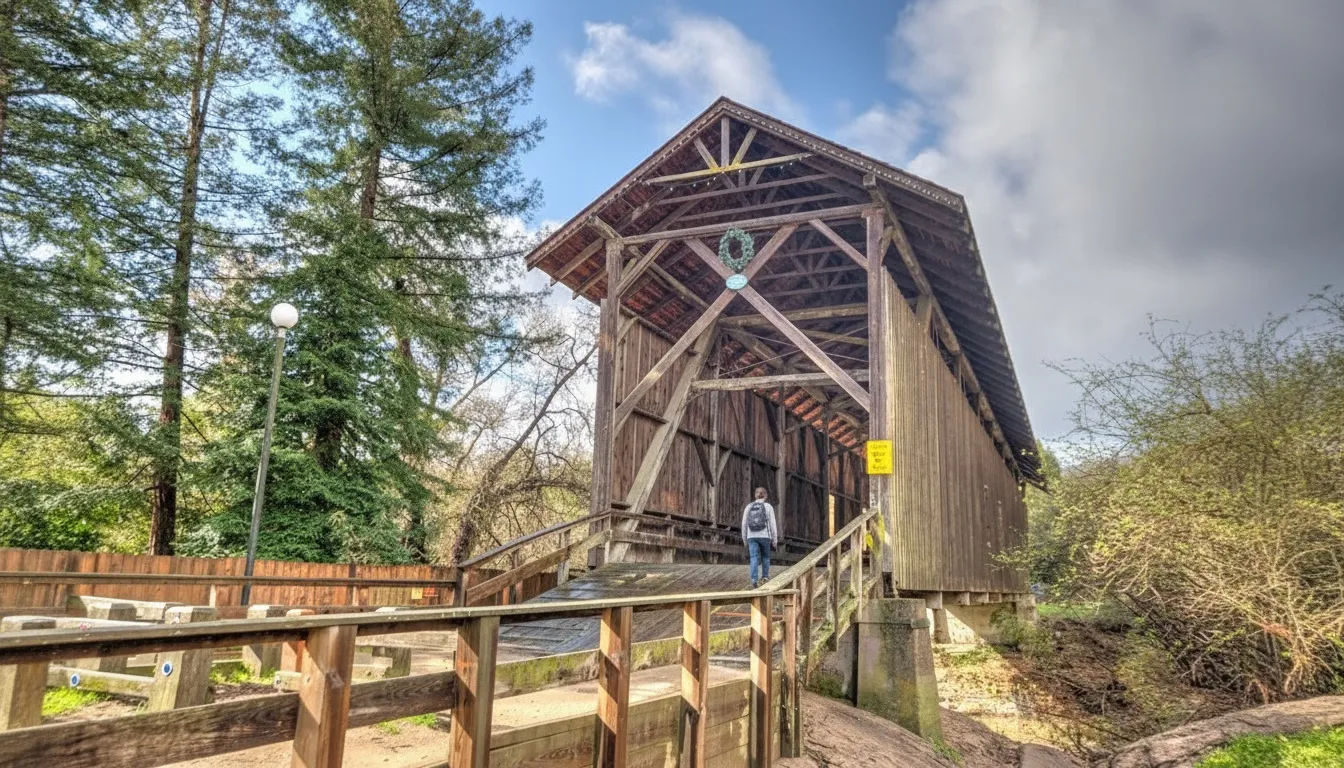
There is a moment, somewhere around your 90th minute on the 405, when the thought arrives. Not anger, exactly. More like clarity. You are spending two hours of your life on a freeway to cover eleven miles, breathing air that the South Coast Air Quality Management District classifies as unhealthy, and somewhere out there is an ocean you have not touched in three months despite living eight miles from it. LA has a way of putting everything you want just close enough to see and just far enough to never quite reach. That tension is what eventually pushes people north.
Why LA Residents Move to Santa Cruz
The reasons people leave Los Angeles are rarely about hating it. LA is extraordinary in its own sprawling, ambitious way. The food is unmatched. The career opportunities in entertainment, tech, and creative industries are real. The weather is genuinely beautiful. But the city demands a particular kind of endurance: the traffic, the distances, the smog days that settle over the basin, the sense that everything requires a car and an hour of planning.
Santa Cruz appeals to the LA transplant who has reached a specific conclusion: the daily cost of sprawl is no longer worth the benefits of scale. Remote work accelerated this calculation. When your office is a laptop, the logic of living in a 500-square-mile metro area to be near your workplace disappears. What remains is a simple question: where do you actually want to spend your days?
For many, the answer looks like a small coastal town where the beach is five minutes away instead of an hour of PCH traffic. Where you can walk to dinner instead of searching for parking. Where the air is clean every single day, not just on days the wind cooperates. Santa Cruz is not the only answer to that question, but it is a compelling one.
The NorCal access is part of the draw. From Santa Cruz, you are 35 minutes from Silicon Valley, 90 minutes from San Francisco, two hours from Napa, and surrounded by some of the most dramatic coastal and redwood landscape in California. If LA gives you proximity to Joshua Tree and the desert, Santa Cruz gives you Big Sur, Monterey Bay, and the Santa Cruz Mountains. Different wilderness, equally stunning.
Cost of Living: More Expensive, Radically Different Value
Here is the number that surprises most LA transplants: Santa Cruz is not cheaper. The median home price in Los Angeles sits around $950,000. In Santa Cruz County, the range runs from approximately $1 million in downtown Santa Cruz to $1.85 million in premium coastal neighborhoods like Pleasure Point and Aptos. On paper, you are paying more.
But the comparison is misleading if you stop at the price tag. A $1.2 million home in Santa Cruz County buys you a three-bedroom house with a yard, likely within a mile or two of the ocean, in a neighborhood where you know your neighbors and your kids walk to school. That same $1.2 million in LA buys a smaller home in the Valley, a condo on the Westside, or a fixer in a neighborhood where your commute still takes an hour.
The deeper financial shift is in how much you spend day to day. LA is a city of hidden costs: gas for long commutes, tolls, parking fees, the premium you pay because everything requires driving. In Santa Cruz, most errands are a 10 to 15 minute drive. Many neighborhoods are bikeable. You will not budget $400 a month for gas, and you will not pay $30 to park near the beach. The lifestyle itself is less expensive even when the mortgage is not.
Dining follows a similar pattern. A casual dinner for two in Santa Monica or Silver Lake runs $90 to $140 without much effort. In Santa Cruz, comparable quality costs $55 to $85. Groceries are roughly similar, though the farmers markets here are exceptional and genuinely affordable.
Weather: Both Sunny, Completely Different Feel
If you are leaving LA because of the weather, Santa Cruz might be the wrong move. LA weather is legitimately hard to beat for sheer warmth and dryness. But if you are leaving LA despite the weather, the climate in Santa Cruz will surprise you with how livable it is.
Santa Cruz is cooler and more temperate. Summer days sit in the mid-60s to mid-70s, with coastal fog that rolls in many mornings and burns off by noon. You will not sweat through August. Many homes are comfortable without central air conditioning, though comfort preferences vary. Winter temperatures range from the high 40s to low 60s, with rain from November through March that keeps everything green in a way that LA’s brown hillsides never manage.
The differences that matter most are the ones you feel rather than measure. There is no smog. There are no 105-degree heat waves baking the Valley. There is no Santa Ana wind turning the sky orange. The air in Santa Cruz smells like salt, eucalyptus, and redwood. Every day. That consistency is something you do not realize you were missing until you have it.
The Size Adjustment: 10 Million to 270,000
This is the biggest culture shock, and it is worth being honest about. LA County has roughly 10 million people. Santa Cruz County has 270,000. The city of Santa Cruz itself has about 65,000. You are not just moving to a smaller city. You are moving to a fundamentally different scale of human settlement.
What you lose is obvious: the endless restaurant options, the concert calendar, the sense of anonymity, the cultural diversity that makes LA one of the most interesting cities on Earth. You will not find a Thai Town or a Koreatown. There is no equivalent to the Getty, LACMA, or the Hollywood Bowl. If those things are central to your identity, Santa Cruz will feel like a loss.
What you gain is less obvious until you live it. You will know your barista by name within a week. You will see familiar faces at the farmers market. Your kids will play with the same children at the park every weekend. You will develop actual friendships with your neighbors, not just polite waves from the driveway. The social fabric in a town this size is tighter, warmer, and more real than anything LA’s scale allows.
Best Neighborhoods for LA Transplants
Downtown Santa Cruz For Walkability LA Lacks. shops, beach. If you lived in Silver Lake or Echo Park and valued being able to walk to things, downtown Santa Cruz will feel like a revelation. Pacific Avenue is the main drag, lined with restaurants, independent shops, and coffee spots. The beach is a 10-minute walk. The farmers market takes over a city block twice a week. This is the walkable neighborhood that LA always promised and never delivered. Housing is a mix of older homes and newer condos, and prices are the most accessible in the county.
Pleasure Point For Surf Culture Without the Performance. Ocean views, tight-knit community. If you loved Venice Beach 15 years ago, before the influencers and the brand activations, Pleasure Point is the real thing. It is a genuine surf neighborhood built around world-class breaks along East Cliff Drive. The culture here is earned, not curated. Longboarders paddle out at sunrise. Neighbors lend each other wetsuits. Taco shops outnumber boutiques. For the LA transplant who always felt that the beach communities down south had lost something essential, Pleasure Point is where that something still lives.
Aptos For Westside-Adjacent Upscale Living. village center, redwood setting. If your LA neighborhood was Brentwood, Pacific Palisades, or Manhattan Beach, Aptos is your closest match. It is upscale without being pretentious, with excellent schools (8 to 9 out of 10), a charming village center, and homes that sit among redwoods and orchards. Seacliff State Beach offers calm water and wide sand. The community is family-oriented, quiet, and well-maintained. It is the kind of place where your quality of life improves immediately and dramatically.
Capitola For Small-Town Charm You Cannot Find in LA. colorful, beachfront. Capitola is the antidote to Los Angeles. It is a tiny, colorful village built around a sheltered beach cove, with a walkable downtown, local restaurants, and a pace that makes even Santa Cruz feel busy. LA has nothing like it. The closest analogy might be a European seaside village compressed into a few blocks of California coast. If you want to live somewhere that feels like a permanent vacation from everything LA represents, Capitola is hard to argue with.
Lifestyle: Trade the Sprawl for the Shore
The daily experience of life in Santa Cruz is so different from LA that the comparison almost breaks down. In LA, you structure your life around traffic. In Santa Cruz, you structure it around what you want to do. The surf break is five minutes away. The redwood trail is ten. Your commute to anywhere in the county is 20 minutes. That compression of distance changes everything about how you spend your time and energy.
You will trade the Hollywood Bowl for live music at the Catalyst. You will trade crowded Malibu for uncrowded beaches at Bonny Doon and Davenport. You will trade Runyon Canyon with 200 other hikers for solo walks through Henry Cowell Redwoods. The scale is smaller, but the access is real. You do the things that LA always promised were at your doorstep but somehow required an hour of driving to reach.
Santa Cruz is not Los Angeles. It is not trying to be. It is a small, opinionated coastal town that asks you to slow down, scale back, and pay attention to the things that are actually in front of you. For the person who has spent years in LA’s beautiful, exhausting sprawl and is ready for something fundamentally different, that trade is not a compromise. It is the point.