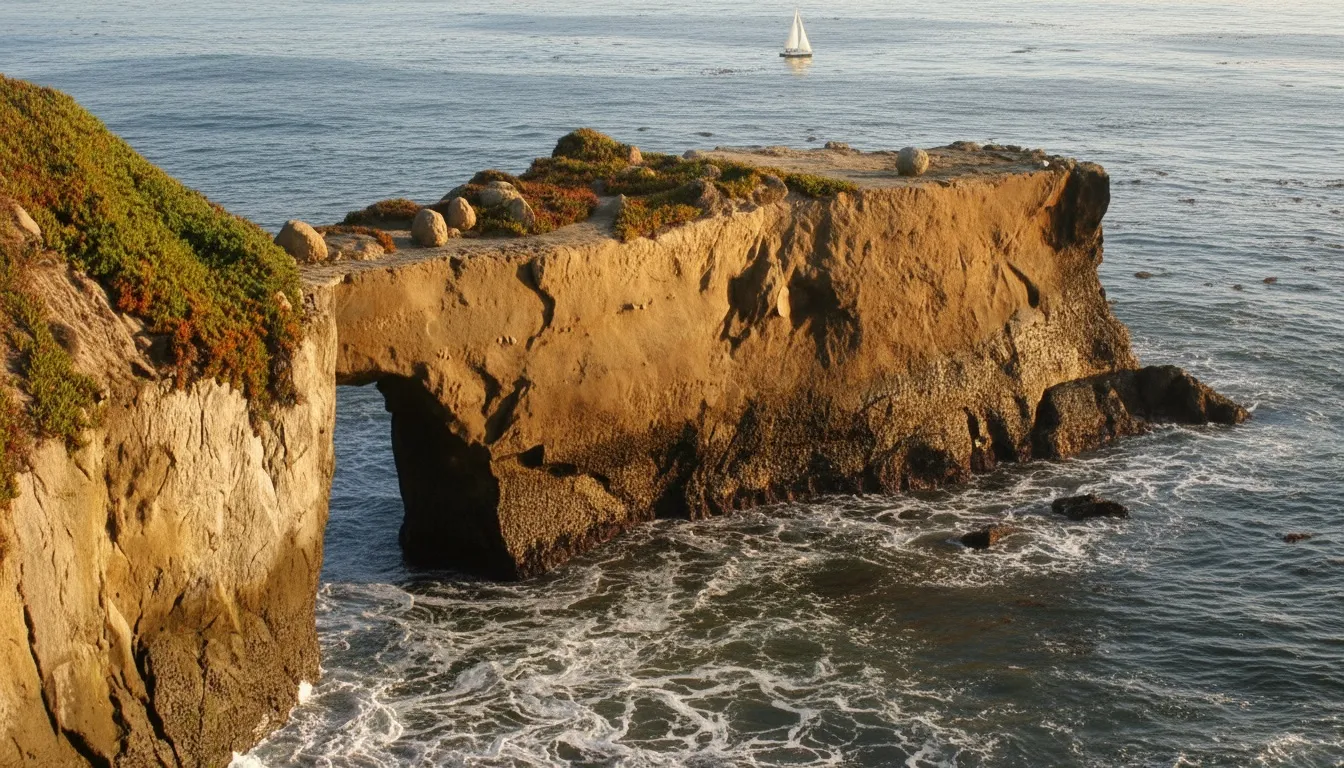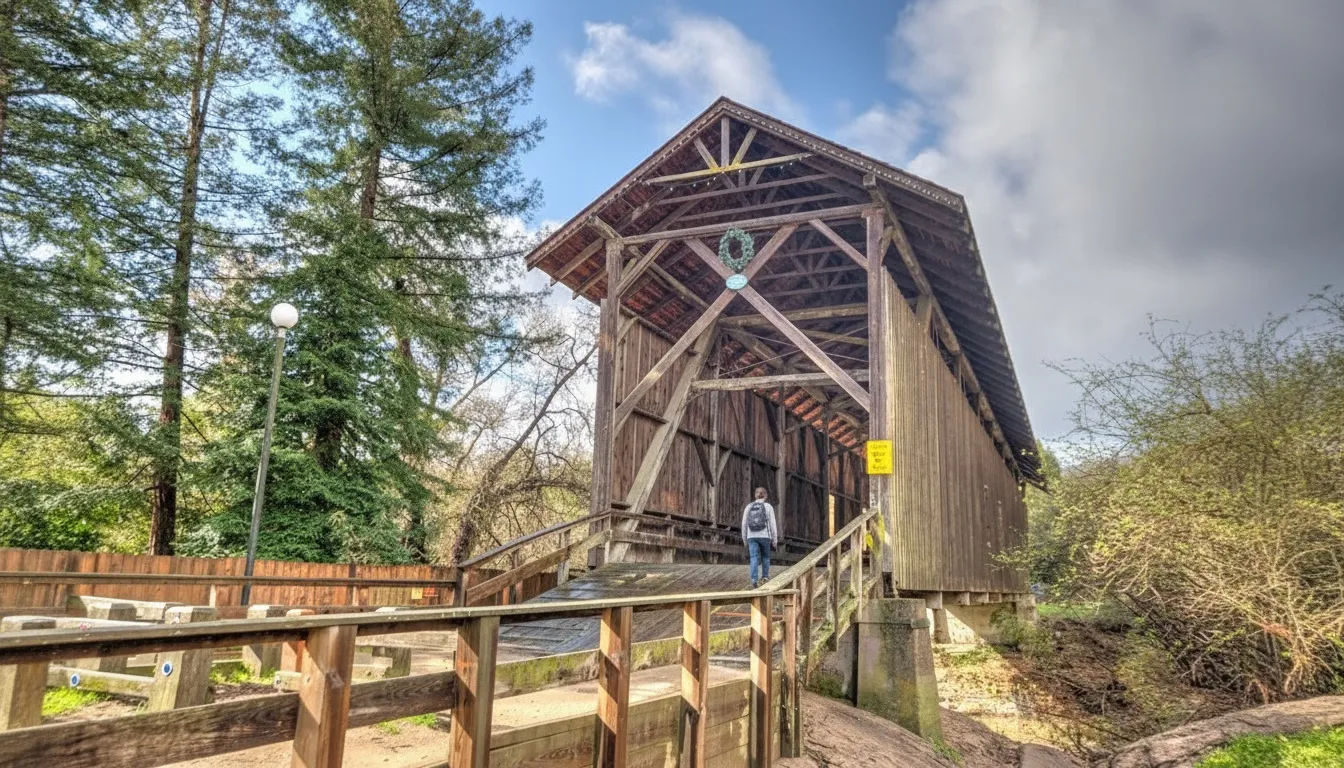
Salt Lake City and Santa Cruz share a fundamental premise: choose where you live based on what you can do outside your front door. In Salt Lake, that means skiing at Alta by 9 AM, mountain biking Millcreek Canyon after work, and weekend scrambles up the Wasatch. In Santa Cruz, it means surfing before your first meeting, trail running through redwoods at lunch, and evening walks along coastal bluffs. The instinct is identical. The terrain changes from mountains to ocean.
Why Move
SLC’s tech corridor has boomed, anchored by Adobe, Qualtrics, Pluralsight, and a dense startup ecosystem along the Point of the Mountain. That growth made Salt Lake one of the hottest job markets in the Mountain West, but it also brought traffic on I-15, housing prices that doubled in five years, and air quality problems that turn the valley into a brown bowl during winter inversions.
The inversion issue matters more than people outside Utah realize. From December through February, cold air traps pollution against the Wasatch Front, pushing air quality to unhealthy levels for weeks. Santa Cruz solves this with Pacific breezes and coastal geography that prevents stagnation. The climate holds between 55 and 75 degrees year-round. No inversions, no triple-digit summer days, no sub-zero January weeks.
The career math can work too. Bay Area offices are 35 to 50 minutes from Santa Cruz over Highway 17, and remote workers for California employers often have more compensation upside than comparable Utah roles, even after California’s higher taxes.
Cost of Living Comparison
Salt Lake City’s median home price sits around $520,000. Santa Cruz County ranges from $1.05 million in Downtown and Eastside to $1.85 million in Aptos. Housing costs roughly double at the entry level.
Utah’s state income tax is a flat 4.65 percent. California’s is progressive, running 6 to over 9 percent for most professional salaries. That gap is real but narrows when you factor in Bay Area compensation and California’s stronger worker protections.
SLC homeowners selling at or above median bring significant equity to the table. A $520,000 sale, after closing costs, provides $150,000 to $300,000 depending on your original purchase price and mortgage balance. That covers a 15 to 25 percent down payment on homes in the $1.05M to $1.35M range, putting Live Oak, Downtown, Eastside, Soquel, Scotts Valley, and Capitola within reach.
Groceries and dining are comparable. You will spend less on heating and snow removal. Car insurance drops slightly in California for most drivers. The overall picture: housing is the main cost increase, and everything else is roughly a wash.
Best Neighborhoods
Scotts Valley ($1.35M median) is the closest analog to SLC’s east bench neighborhoods. It sits in the redwoods along Highway 17, offers the county’s best schools (top-rated), and feels like a mountain community that happens to be 15 minutes from the beach. Families from Cottonwood Heights or Holladay settle in naturally here.
Pleasure Point ($1.55M median) is for the outdoor-obsessed. If your Salt Lake life revolved around being first on the lift or last off the trail, Pleasure Point channels that same energy into surf culture. World-class waves outside your door, a tight-knit community of athletes, and a morning ritual that swaps ski boots for a wetsuit.
Aptos ($1.85M median) draws established families who want excellent schools, a village atmosphere, and access to both the coast and the Forest of Nisene Marks, a 10,000-acre redwood park with trail networks that rival anything in the Wasatch canyons. Think of it as the Draper or Alpine of Santa Cruz County, but with ocean views.
Live Oak ($1.15M median) offers the best value near the coast. For SLC buyers watching their budget, Live Oak delivers beach proximity, neighborhood character, and an entry price that makes the move financially manageable.
The Commute
Highway 17 connects Santa Cruz to San Jose and the wider Bay Area in 35 to 50 minutes. It is a mountain highway, winding, scenic, and occasionally foggy, that functions as the county’s primary work link. Comparable to driving Parley’s Canyon to Park City, but with redwoods instead of scrub oak.
Within Santa Cruz County, everything is close. The entire coastline spans about 30 miles and most daily drives are under 20 minutes. There is no TRAX or FrontRunner equivalent. Santa Cruz Metro runs local buses and a rail trail is expanding along the coast, but the distances are short enough that it never feels like a commute.
Making the Move
Visit in winter. Santa Cruz in January is green, mild, and uncrowded, the authentic version of daily life here. If you come in July, you see the tourist season. The real test is whether the quiet, foggy mornings and 58-degree afternoons feel like home.
Budget for the housing gap honestly. Run the numbers with California taxes, and factor in any salary increase from a Bay Area employer. The math often works better than the sticker shock suggests, especially for tech workers moving from Utah compensation to California compensation.
You will miss skiing. Tahoe is four to five hours from Santa Cruz, a weekend trip, not a day trip. If you need 40-plus ski days a year, the distance is painful. If you can shift to 10 to 15 days per season and fill the rest with surfing, coastal hiking, and year-round cycling, the trade works.
The outdoor culture you built your Salt Lake life around does not disappear in Santa Cruz. It translates. Mountains become redwoods. Snow becomes ocean. The central idea, that where you live should match how you want to spend your time, stays exactly the same.