Portland and Santa Cruz are the same kind of weird. Not the same place, not the same size, not the same landscape. But the same impulse runs through both of them: a stubborn insistence on doing things differently, a distrust of chains and conformity, and a community that treats the outdoors as a way of life rather than a weekend escape. If you built your life in Portland because it felt like it matched something inside you, Santa Cruz will feel like that same match in a warmer, sunnier package. People do not usually leave Portland because they stopped loving it. They leave because the rain finally broke them.
Cultural Kindred Spirits
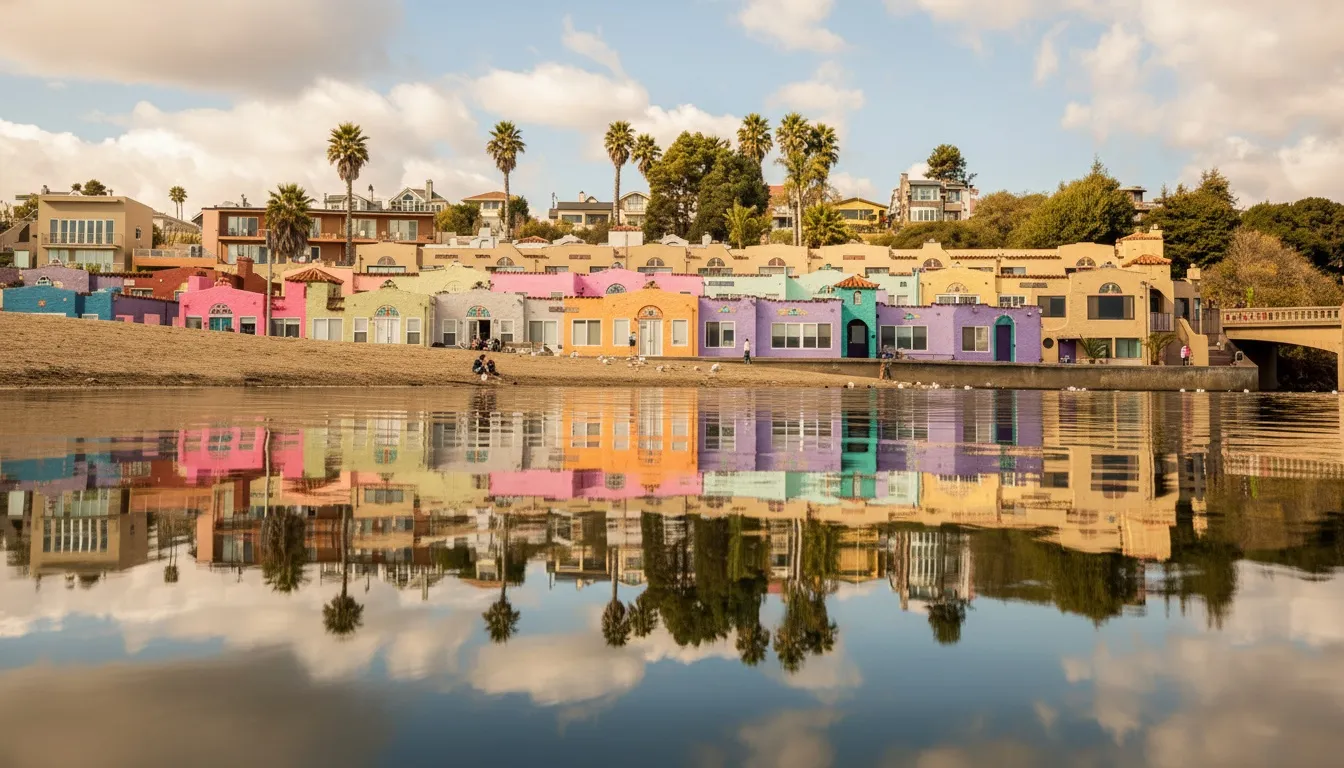
Portland calls itself “Keep Portland Weird.” Santa Cruz has been weird since before bumper stickers existed. Both cities lean hard into progressive politics, independent businesses, and the kind of community identity that resists corporate homogeneity. Portland has Powell’s Books and a food cart on every corner. Santa Cruz has a century-old Boardwalk and surf shops that have been open since your parents were in college. The spirit is the same: local, authentic, a little offbeat, and proud of it.
The independent business culture translates directly. If you are the kind of person who would rather buy coffee from a neighborhood roaster than a Starbucks, Santa Cruz will not disappoint. Pacific Avenue downtown is lined with the same type of one-of-a-kind shops and restaurants that make Portland’s Alberta Street and Hawthorne Boulevard what they are. Farmers markets here are exceptional, rivaling anything you found at the Portland Saturday Market, with California’s longer growing season putting produce on the tables that Oregon’s climate simply cannot match.
Both cities have strong arts communities, a culture of volunteerism, and neighborhoods with distinct identities that residents defend passionately. The scale is different. Portland is a metro of 2.5 million. Santa Cruz is a town of 65,000. That difference means Santa Cruz feels more like Portland did fifteen or twenty years ago, before the growth waves changed the city’s texture. If you have been mourning the Portland that used to be, Santa Cruz may feel like coming home to something you thought was gone.
Weather: The Real Reason You Are Reading This
Let’s address the thing you already know. Portland gets roughly 140 sunny days per year. Santa Cruz gets over 260. That is not a marginal improvement. It is a fundamentally different relationship with the sky.
Portland’s rain is not dramatic. It does not announce itself with thunder and move on. It settles in around October and stays, a low gray ceiling that does not lift until June. You learn to live with it. You buy good rain gear. You tell yourself you love the green. But somewhere around February, after four straight months of overcast skies, you start fantasizing about sunlight as though it were something exotic.
Santa Cruz has rain too, from roughly November through March, but the storms come through and leave. A rainy day here feels like a break in the routine, not the routine itself. Winter temperatures sit between 50 and 60 degrees. You will wear a light jacket and go about your day. Summer runs warm and dry, typically in the low to mid-70s, with coastal fog rolling in some mornings and burning off before lunch. Portland’s summers are hotter, often pushing into the 90s and occasionally past 100. Santa Cruz rarely breaks 80 at the coast.
One honest caveat: you will miss Portland’s dramatic thunderstorms and the particular beauty of the Pacific Northwest in spring when everything is impossibly green. Santa Cruz’s landscape is drier, more golden-brown in summer. Different beauty, not lesser beauty, but different.
Cost of Living: Portland’s Affordability Does Not Follow You
This is where the conversation gets uncomfortable. Portland’s median home price sits around $500,000. Santa Cruz County ranges from $1.05 million in neighborhoods like Live Oak and Eastside Santa Cruz to $1.85 million in premium coastal areas. You are looking at roughly double the cost, and in some neighborhoods significantly more.
That gap is real and you should plan for it with eyes open. Portland is one of the more affordable major cities on the West Coast, and Santa Cruz is one of the more expensive small towns in California. The sunshine tax here is steep.
Where the picture softens: if you are working remotely for a Silicon Valley employer or a tech company anywhere in the country, Santa Cruz salaries and equity often reflect California cost of living. Portland salaries typically do not. A remote worker earning Bay Area compensation while living in Santa Cruz is not in the same financial position as someone earning a Portland salary trying to buy in Santa Cruz. If your job travels with you and pays accordingly, the math changes.
Oregon has no sales tax, which you will lose. California’s state income tax is higher than Oregon’s, though both states tax income. Property taxes in California follow Prop 13 rules, which cap annual increases and can work in your favor over time. Groceries and dining are comparable. Gas is more expensive in California. Day-to-day, aside from your mortgage, the cost difference is noticeable but not dramatic.
Best Neighborhoods for Portland Transplants
Downtown Santa Cruz For Portland’s Walkable Soul. Schools: solid. If you loved Portland’s walkable neighborhoods, the ability to step out your door and reach coffee, a bookstore, dinner, and a bar without touching your car, Downtown Santa Cruz is your closest match. Pacific Avenue serves as the main artery, with independent restaurants, live music venues, a weekly farmers market, and the kind of street life that feels organic rather than manufactured. The energy here maps closely onto Portland’s Pearl District or Division Street corridor, scaled down to a small town. You will not have a streetcar, but you will have your feet, your bike, and a town compact enough that driving feels optional.
Pleasure Point For the Outdoor Crowd. Surf: World-class, Schools: solid. If you spent your Portland weekends on Mount Hood, in the Columbia River Gorge, or paddling the Willamette, Pleasure Point channels that same energy toward the ocean. This is a tight-knit surf community where outdoor culture is not a hobby but an identity. East Cliff Drive runs along the water, morning surf sessions replace your morning trail runs, and the neighborhood coffee shops function as community hubs. Think of it as Portland’s outdoor culture translated to a coastal setting, same passion, different element. Fully remote workers who want their daily life shaped by nature end up here and never leave.
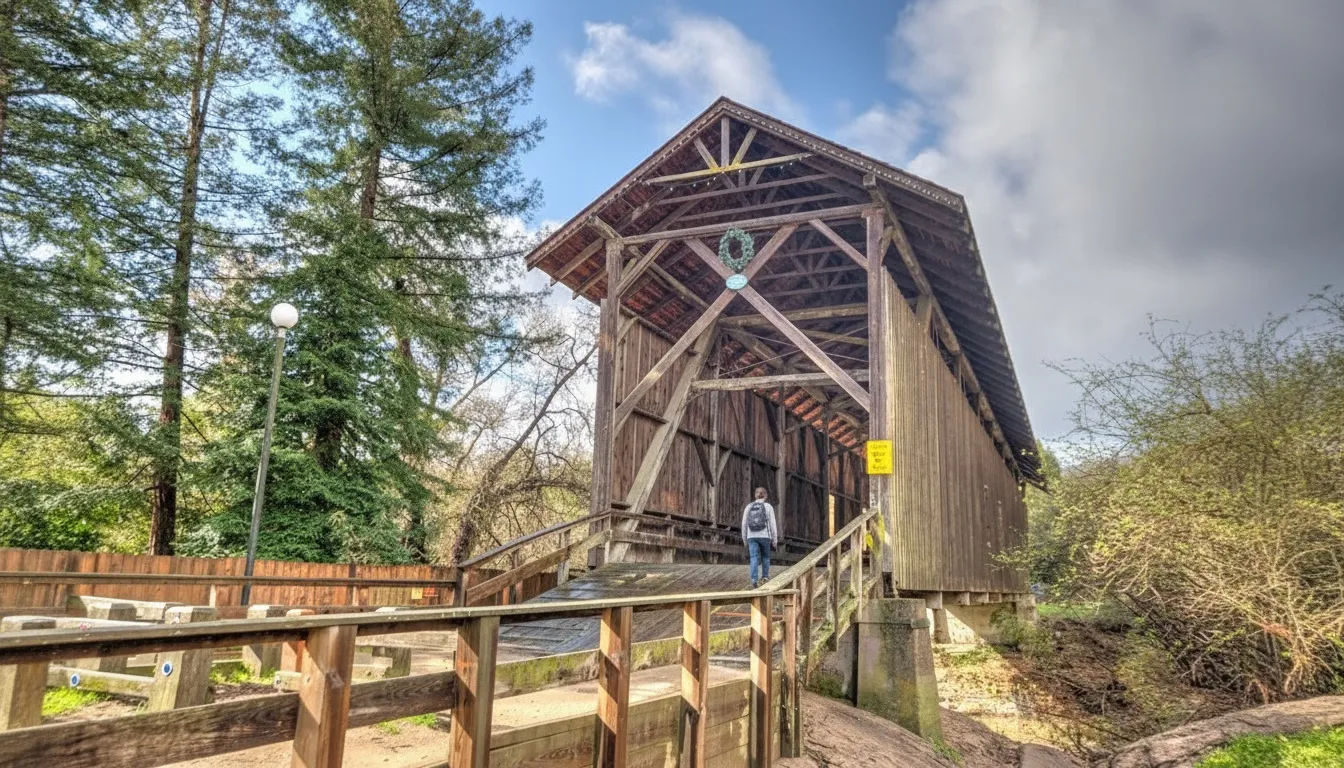
Soquel For Portland’s Suburban-Meets-Rural Feel. Setting: Redwoods and creeks. If you lived in Portland’s outer neighborhoods, Sellwood, St. Johns, or out toward the foothills of the West Hills, Soquel captures that same feeling of being close to town but embedded in something greener and quieter. Soquel sits along a creek in the redwoods, just minutes from the coast but with a distinctly rural character. The village center has local restaurants and shops with the kind of personality that chains could never replicate. For families especially, the combination of good schools, natural beauty, and a slower pace makes Soquel one of the most popular landing spots for transplants who want the Santa Cruz lifestyle without the bustle of the beach neighborhoods.
Westside Santa Cruz For the Progressives. Schools: strong. Portland’s most progressive neighborhoods, Hawthorne, Alberta, Mississippi, have their spiritual counterpart on the Westside. This is where UC Santa Cruz’s influence is strongest, where community activism runs deep, and where Natural Bridges State Beach and West Cliff Drive give you a coastal lifestyle within walking distance. The farmers market on the Westside rivals anything Portland offers, and the neighborhood carries a warmth and openness that Portland transplants recognize immediately.
Lifestyle: Trading One Kind of Wonderful for Another
The transition from Portland to Santa Cruz is less a reinvention than a translation. You will swap craft beer culture for surf culture, though Santa Cruz has plenty of good beer too. Mount Hood becomes the Santa Cruz Mountains and Henry Cowell Redwoods. The Willamette River becomes the Pacific Ocean. Forest Park becomes Wilder Ranch. Saturday morning at the Portland Farmers Market becomes Saturday morning at the Santa Cruz one, same ritual, different light.
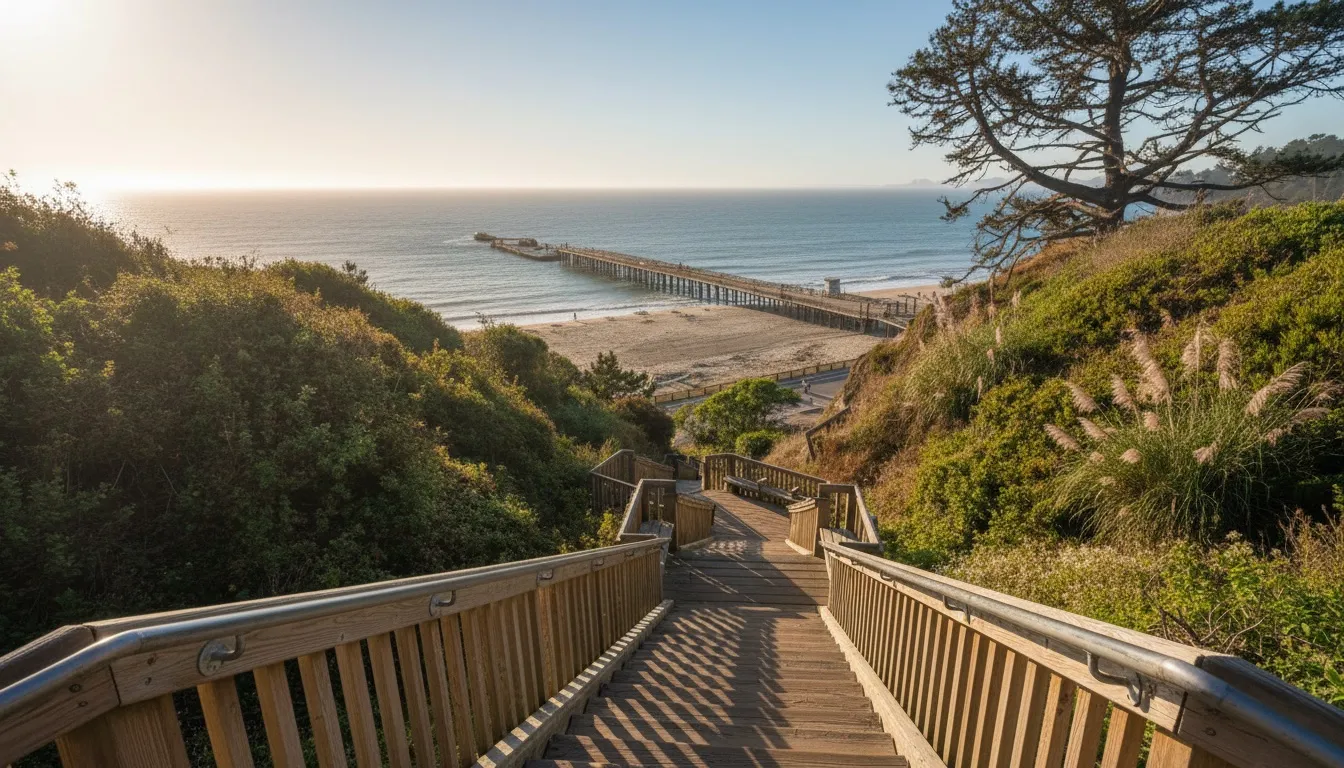
What changes most is the relationship between indoors and outdoors. Portland’s climate pushes you inside for months at a time. Cozy bars, coffee shops, living rooms, Portland’s indoor culture is rich because it has to be. Santa Cruz flips the ratio. You will spend more of your life outside than you thought possible. Surfing before work. Trail runs after lunch. Evening walks along the bluffs watching the sun drop into the ocean. The outdoor life here is not seasonal. It is constant.
The food scene is different but genuinely strong. You will miss Portland’s depth of international cuisine, the sheer variety of a city four times the size. Santa Cruz cannot match Portland’s Thai, Ethiopian, or ramen options. But the farm-to-table dining, seafood, taquerias, and produce are outstanding. The quality of ingredients here, fueled by California’s agricultural abundance, elevates even simple meals.
You will also find that Santa Cruz shares Portland’s commitment to sustainability, cycling infrastructure, and community-supported agriculture. The values translate. The conversations you had with neighbors in Portland about composting, local sourcing, and environmental policy are the same conversations you will have in Santa Cruz. Just with more sun on your face.
Practical Tips for the Move
Visit in winter. Everyone visits Santa Cruz in summer and falls in love. Come in January. See it in the rain. If it still feels right when the fog sits low and the tourists are gone, you have found your place.
Budget honestly. The housing gap between Portland and Santa Cruz is significant. Run the numbers with California taxes, higher insurance costs, and a potentially larger mortgage before committing. If you are selling a Portland home, your equity will help but likely will not cover the full difference.
Drive Highway 17 before you commit to a commute. If your job requires occasional trips to Silicon Valley, Highway 17 over the mountains is winding, sometimes foggy, and adds real time. Budget 45 to 70 minutes each way and treat it as a once-or-twice-a-week trip, not a daily drive.
Lean into the community. Santa Cruz is small enough that your experience depends heavily on connections. A local real estate agent who understands what Portland transplants value, walkability, independent culture, outdoor access, progressive community, can match you with the right neighborhood faster than months of online searching.