You probably moved to Denver for the mountains, the sunshine, and the sense that life could be built around being outside. That instinct was a good one. But somewhere between the January inversions, the dry skin that never quite goes away, and another I-70 ski traffic crawl, a different version of that same life starts pulling at you. One where the outdoor access is just as immediate, but the air is soft, the ocean is ten minutes away, and winter never asks you to scrape a windshield. That is what brings Denver people to Santa Cruz. Not a retreat from the outdoors, but a different expression of the same values.
Why Denver Residents Consider Santa Cruz
The two cities share more DNA than you might expect. Both attract people who chose where to live based on what they could do outside their front door. Both lean progressive, value local food and drink, and have a startup-friendly energy. Both are places where showing up to a meeting in trail shoes raises zero eyebrows.
The differences are elemental. Denver sits at 5,280 feet in dry continental air. Santa Cruz sits at sea level on the Pacific coast. Denver gets 300 days of sunshine, but those include bitter cold stretches where single-digit mornings and bone-dry air are the norm from November through March. Santa Cruz gets roughly 260 sunny days, but the temperature rarely dips below 40 or climbs above 80. There is no snow. There is no altitude headache. There is no nosebleed season.
For people with young kids, aging parents visiting from out of state, or anyone who has quietly tired of reapplying lip balm six times a day, the climate shift is not trivial. It changes what every morning feels like.
The career math matters too. Denver’s tech scene is real and growing, anchored by companies along the Front Range corridor. But Silicon Valley is 35 to 50 minutes from Santa Cruz via Highway 17. Apple, Google, Netflix, Meta, and hundreds of mid-stage startups are within commuting distance. For remote workers, Santa Cruz offers a home office with ocean air and redwood views instead of brown cloud days along the Front Range.
Cost of Living: The Honest Numbers
This is where the conversation gets uncomfortable. Denver’s median home price sits around $580,000. In Santa Cruz County, that number ranges from $1.05 million in Live Oak to $1.85 million in Seacliff. There is no way to frame this as a lateral move. You are roughly doubling your housing cost.
What you get for that money is different. Denver’s $580K buys a three-bedroom in a suburb like Arvada or Lakewood. Santa Cruz’s $1.05 million to $1.35 million range gets you a home near the coast in a community where the beach, the redwoods, and a world-class farmers market are part of your weekly routine. The premium is real, but so is the lifestyle shift.
Groceries are comparable. Dining out is cheaper in Denver by a meaningful margin. Colorado has a state income tax of 4.4 percent; California’s is higher, especially at upper brackets, ranging from 6 to over 9 percent for most tech salaries. Property taxes, however, run lower in California than Colorado as a percentage of home value, which narrows the gap slightly.
The honest summary: if you are selling a Denver home and buying in Santa Cruz, expect to bridge a significant gap. Most Denver transplants make the move because they are either cashing out equity from a prior market, earning Silicon Valley wages, or have decided that the lifestyle premium is worth paying. It is not cheap. But the people who make the move rarely describe it as a financial mistake.
Outdoor Lifestyle: Different Mountains, Different Ocean
Denver people do not need to be sold on the outdoors. They need to know what the outdoors look like when you swap 14ers for sea level.
Skiing becomes surfing. The learning curve is real, and your first winter in a wetsuit at Steamer Lane will feel nothing like bombing groomers at Breckenridge. But the accessibility is similar, the water is ten minutes from most neighborhoods, and dawn patrol before work is a normal part of life here. Pleasure Point, The Hook, and Cowell’s Beach offer breaks for every skill level.
Trail running and hiking shift from alpine to coastal and redwood. The Forest of Nisene Marks in Aptos has miles of single-track through old-growth redwoods. Wilder Ranch State Park combines ocean bluff trails with inland meadows. Henry Cowell Redwoods is a short drive from anywhere in the county. You will not gain 3,000 feet of elevation on a Saturday morning, but you will run through trees that were alive before Columbus, and finish at a beach.
Cycling is excellent. The roads around Aptos, Soquel, and the coastal highway offer rolling terrain with ocean views. Mountain biking at Wilder Ranch and Demo Forest rivals anything along the Front Range, with the added bonus that you can ride year-round without worrying about ice or early season mud.
The one thing you will genuinely miss is skiing. Tahoe is four to five hours from Santa Cruz. It is a weekend trip, not a day trip. If ski access is non-negotiable for you, that distance matters. If skiing is something you love but could do a few weekends a year instead of every Saturday, the trade works.
Climate Comparison
Denver’s 300 sunny days come with a wide temperature swing, from over 95 in summer to below zero in winter cold snaps. The air is dry year-round, averaging around 15 percent humidity in winter. Altitude affects sleep, recovery, and how quickly you dehydrate.
Santa Cruz averages 260 sunny days with a temperature range of roughly 42 to 78 degrees across the entire year. Humidity sits in a comfortable 60 to 75 percent range. Morning fog is common from June through September, burning off by midday. Rain falls mostly between November and March, and when it arrives, it is gentle Pacific rain, not the sudden hailstorms that roll off the Rockies.
There is no snow. There is no ice scraping. There is no “but it’s a dry cold” conversation. The mildness is relentless, and after a decade of Denver winters, it can feel almost disorienting. You will stop checking the weather app because the answer is almost always the same: mid-60s and pleasant.
Best Neighborhoods for Denver Transplants
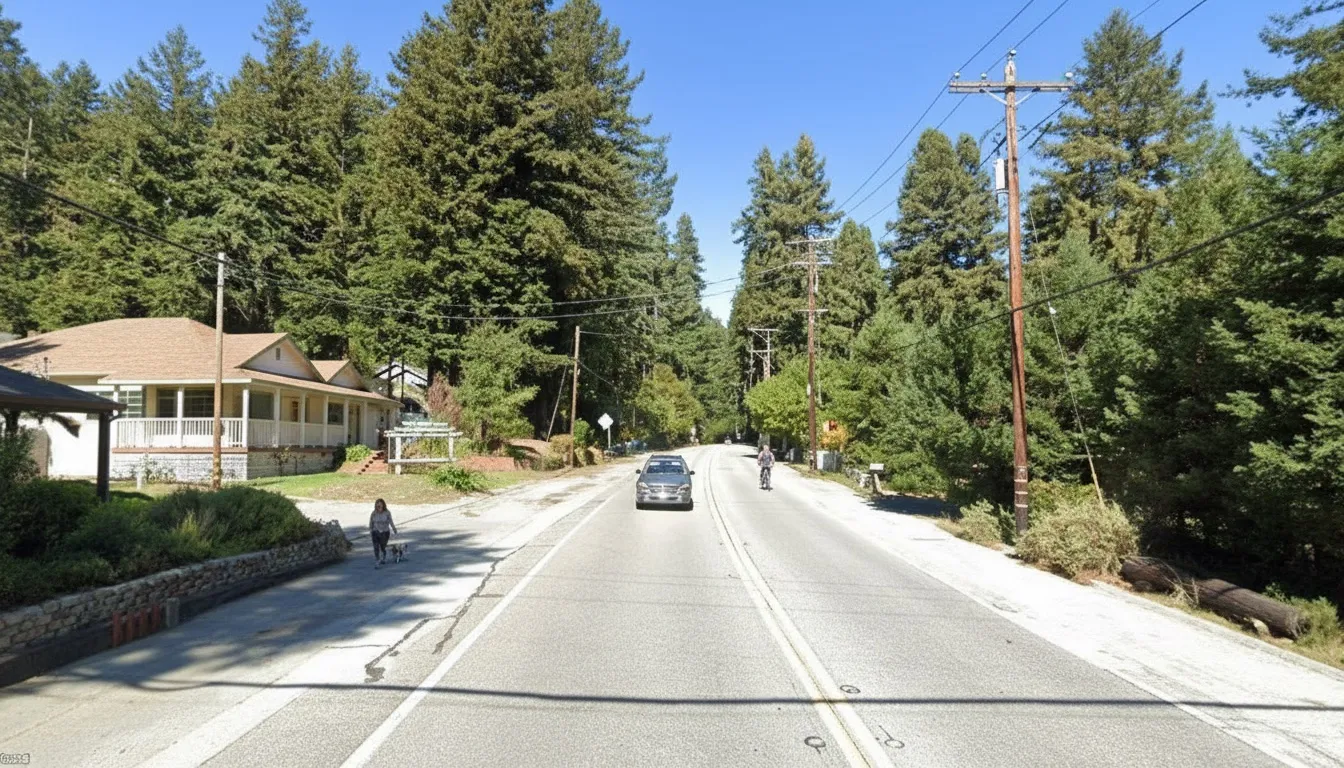
Scotts Valley ($1.35M median, top-rated schools) is the closest thing to a Colorado mountain town you will find near Santa Cruz. It sits in the redwoods along Highway 17, about fifteen minutes from the beach and thirty-five minutes from Silicon Valley. Families from places like Evergreen or Golden tend to feel immediately at home here.
Pleasure Point ($1.55M median) is for the active outdoor types who moved to Denver for the lifestyle and are ready for the coastal version. Tight-knit surf community, world-class waves outside your door, morning coffee with salt in the air. If you spent your Denver weekends at the climbing gym and on trail runs, Pleasure Point channels that same energy toward the ocean.
Aptos ($1.65M median, top-rated schools) draws established families who want excellent schools, a polished village atmosphere, and access to both the beach and the Forest of Nisene Marks. Think of it as the Louisville or Lafayette of Santa Cruz County, upscale, family-oriented, and quietly beautiful.
Lifestyle Differences Worth Knowing
Both cities are outdoorsy and progressive, but the social textures differ. Denver has a bigger nightlife scene, professional sports (Broncos, Nuggets, Avalanche, Rockies), and a craft beer density that is hard to match anywhere. Santa Cruz is smaller, quieter, and more intimate. Friday night is more likely a bonfire on the beach than a bar crawl on Larimer Street.
Denver’s population is over 700,000 in the city proper. Santa Cruz is about 65,000. You will know your neighbors, your barista, and your kids’ teachers by name within a few months. That shift from urban anonymity to small-town familiarity is one of the biggest adjustments Denver transplants describe, and for most of them, it becomes the thing they value most about living here.
The food scene is smaller but genuine, built around local farms and the ocean rather than national trends. The Wednesday downtown farmers market is one of the best in California. You will eat differently here, more seasonal, more local, and surprisingly well for a town this size.
Santa Cruz is not Denver with an ocean. It is a fundamentally different way of living, one that shares the same core value, build your life around being outside, but expresses it through salt air instead of thin air. For the people who make the move, that distinction turns out to be everything.